As technology continues to evolve at an unprecedented pace, several new inventions are making a significant impact on everyday life. These innovations are not merely trends; they are practical solutions that enhance convenience, improve productivity, and transform how people interact with their environment. From smart home devices that automate mundane tasks to cutting-edge health tech that monitors wellness, the landscape of daily living is being redefined.
The integration of technology into daily routines has led to new ways of managing time and resources. For instance, wearable devices now provide real-time health data, empowering individuals to make informed lifestyle choices. Additionally, advancements in artificial intelligence are streamlining daily chores, allowing individuals to focus on what truly matters.
As these inventions gain traction, they promise to reshape future interactions and experiences in profound ways. Staying informed about these developments can help individuals leverage technology effectively to enhance their quality of life.
Artificial Intelligence and Machine Learning: The Core of Modern Innovation
Artificial Intelligence (AI) and Machine Learning (ML) are at the forefront of technological advancements, transforming how individuals interact with devices and each other. These innovations are empowering personal devices, solving daily challenges, and reshaping communication methods.
AI-Powered Personal Assistants and Smart Devices
AI-driven personal assistants, like Siri and Google Assistant, have become integral to daily routines. They simplify tasks such as setting reminders, playing music, and answering queries.
Smart devices equipped with AI enhance home automation. For example, smart thermostats learn user preferences and adjust settings accordingly, optimizing energy consumption.
Wearables also utilize AI to monitor health metrics, providing personalized health insights. These tools streamline everyday life by allowing users to manage their time and resources efficiently.
Machine Learning for Everyday Problem Solving
Machine Learning algorithms analyze vast amounts of data to identify patterns, making them essential in various applications. For instance, recommendation systems on platforms like Netflix and Amazon curate content tailored to user preferences.
In the realm of finance, ML helps detect fraudulent transactions in real time, enhancing security for online banking. Additionally, it assists in predicting maintenance needs for appliances, reducing the risk of breakdowns.
These applications demonstrate ML’s ability to minimize friction in everyday tasks, allowing users to focus on what matters most.
AI and ML Transforming Communication
AI and ML are revolutionizing communication channels in multiple ways. Chatbots powered by AI handle customer service inquiries, providing instant, efficient responses. This streamlines interactions and improves user satisfaction.
Natural Language Processing (NLP), a subset of AI, enables real-time language translation. This feature breaks down communication barriers, facilitating global interactions.
Moreover, social media platforms use ML algorithms to curate personalized content feeds. This enhances user engagement by delivering relevant updates and connections. Through these advancements, AI and ML play a critical role in modern communication.
Smart Homes and Connected Living
Smart homes are transforming daily life by offering enhanced convenience, automation, and security. The integration of various innovative technologies simplifies tasks and improves efficiency in residential spaces.
Smart Home Devices for Enhanced Convenience
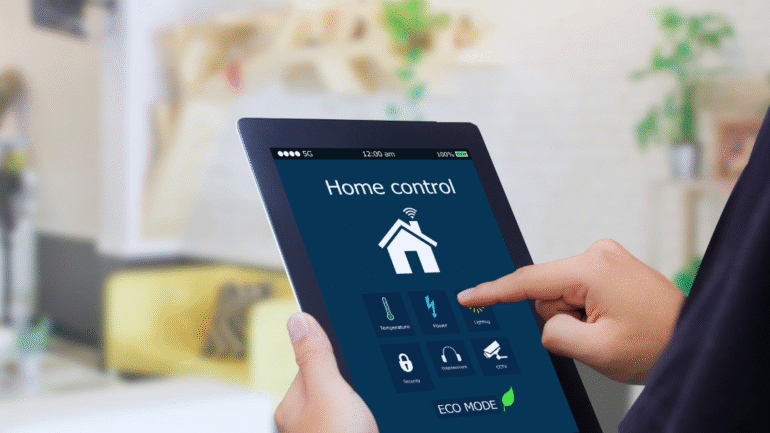
Smart home devices play a pivotal role in increasing convenience for users. A range of devices, such as smart thermostats, lighting systems, and appliances, can be controlled remotely via smartphones or voice commands.
For example, smart thermostats learn user preferences and adjust heating and cooling systems accordingly, leading to energy savings. Devices like robotic vacuum cleaners automate cleaning tasks, allowing individuals to focus on more important activities.
By connecting these devices through the Internet of Things (IoT), residents enjoy seamless interactions across multiple platforms. This level of connectivity allows for personalized settings that adapt to lifestyle changes.
IoT Systems and Automation in Daily Life
The IoT facilitates the automatic management of numerous home systems. With interconnected devices and applications, users can create customized environments that respond to their needs throughout the day.
For instance, a morning routine could involve the smart coffee maker brewing coffee when an alarm goes off, while smart blinds open to let in natural light. Notifications about household activities, like energy usage or any unusual activity detected, can also be sent directly to users’ smartphones.
Programming specific routines and behaviors enables homes to function more efficiently. The automation of mundane tasks frees up time, contributing to an enhanced quality of life.
Advanced Security with Smart Systems
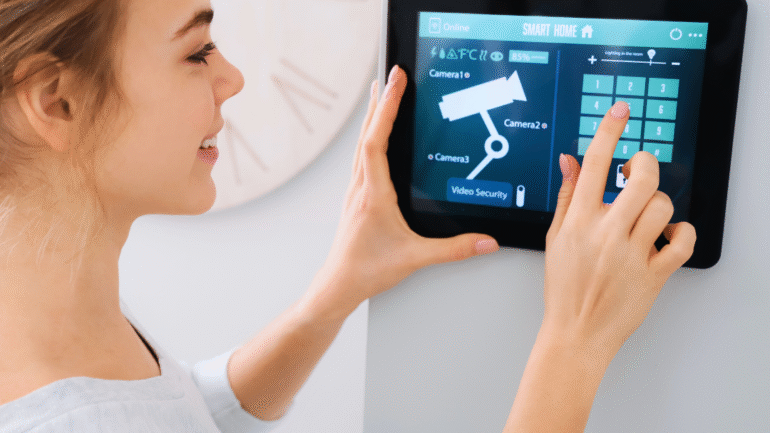
Smart security systems significantly enhance home safety through advanced technology. They incorporate security cameras, motion sensors, and smart locks to provide comprehensive surveillance and control.
Security cameras can be accessed remotely, allowing homeowners to monitor activities in real-time. Smart locks enable keyless entry, which can often be managed through smartphones. These systems can send alerts if unauthorized access is detected, empowering users to respond promptly.
Integrating these security features with other smart home devices creates a robust network that can be easily tailored to individual safety needs. The result is a safer living environment with peace of mind for residents.
Revolutionizing Mobility and Urban Life
Advancements in technology are transforming how people navigate cities and manage transportation. Innovations in electric vehicles (EVs), autonomous driving, and improved connectivity are reshaping urban environments and enhancing mobility options.
Electric Vehicles and Sustainable Transportation
Electric vehicles (EVs) have gained traction as a sustainable alternative to traditional gasoline-powered cars. Major companies like Tesla have led the charge, promoting the use of renewable energy technologies.
Key benefits of EVs include lower emissions and reduced reliance on fossil fuels. Infrastructure, such as charging stations, is expanding rapidly, making EV ownership more feasible. As battery technology improves, driving ranges are increasing, alleviating concerns about long-distance travel. Governments worldwide are also offering incentives to encourage EV adoption, further promoting sustainable transportation.
Self-Driving and Autonomous Vehicles
Self-driving cars represent a significant shift in urban mobility. These autonomous vehicles rely on sophisticated sensors and artificial intelligence to navigate safely without human intervention.
This technology has the potential to reduce traffic congestion and enhance road safety by minimizing human error. Pilot programs are already underway in various cities, testing the integration of autonomous vehicles into existing traffic systems. Regulatory frameworks are necessary to address safety and liability concerns. As this technology evolves, it will likely transform how people commute and interact with transportation networks.
5G Connectivity Driving Smart Cities
5G networks play a critical role in the development of smart cities. The increased speed and bandwidth enable real-time data transmission among vehicles, infrastructure, and urban services.
This connectivity supports innovations like traffic management systems that optimize flow and reduce congestion. Enhanced communication can improve emergency response times and public transportation efficiency. As cities adopt smart technologies, they can better meet the needs of their citizens while promoting sustainability. The potential of 5G in urban settings continues to expand, driving further innovation in mobility and urban life.
Wearable Tech and the Future of Health
Wearable technology is transforming health management by enabling constant monitoring and support. Innovations in smartwatches, fitness trackers, and telemedicine are crucial to this evolution. The integration of augmented reality (AR) and virtual reality (VR) also presents new opportunities in healthcare.
Smartwatches and Fitness Trackers
Smartwatches and fitness trackers play a vital role in personal health management. These devices monitor vital signs, track physical activity, and even analyze sleep patterns. They provide users with real-time feedback, encouraging healthier lifestyle choices.
Key features include heart rate monitoring, step counting, and calorie tracking. Some advanced models can detect irregular heartbeats and alert users to potential health issues. Integration with mobile apps enhances user experience by offering tailored fitness plans and health insights.
Telemedicine and Remote Health Monitoring
Telemedicine is revolutionizing the way patients receive care, leveraging wearable tech for remote health monitoring. Patients can connect with healthcare providers through video calls or messaging, reducing the need for in-person visits.
Wearables facilitate this process by continuously collecting data. For instance, blood glucose monitors send readings directly to doctors, allowing for timely adjustments in treatment. This immediate data exchange can lead to better patient outcomes and more efficient healthcare delivery.
Augmented Reality and Virtual Reality in Healthcare
AR and VR technologies are making significant inroads in healthcare applications. AR can assist surgeons by overlaying vital information during procedures, enhancing precision. This technology allows for better visualization of complex anatomical structures.
VR is being utilized for pain management and rehabilitation. For example, patients can engage in immersive environments that distract from pain during procedures. Both AR and VR are paving the way for innovative training methods in medical education, providing realistic simulations for students and professionals.