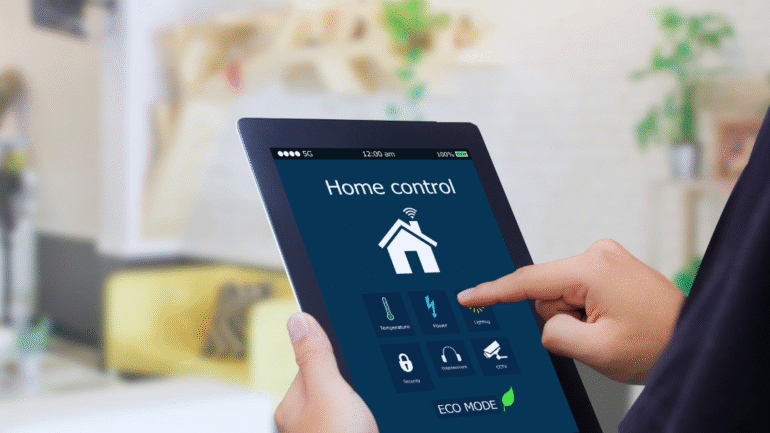
Smart home technology continues to evolve, offering convenience and efficiency in everyday living. From security to entertainment, the right gadgets can seamlessly integrate various aspects of life, creating a cohesive smart home environment. Investing in essential devices enhances connectivity and automates daily tasks, making life easier and more enjoyable.
Homeowners looking to upgrade their living spaces will find that certain gadgets stand out for their functionality. Smart speakers, thermostats, and security systems are just a few examples that can significantly improve a home’s operation. By choosing the right gadgets, individuals can create a connected ecosystem that adapts to their lifestyle.
As the market expands, understanding which devices will provide the most value is crucial. Selecting gadgets that work well together ensures a smooth integration into existing systems. This exploration of must-have devices will guide readers in building their ideal smart home setup.
Building a Seamless Smart Home Ecosystem
Creating a fully integrated smart home ecosystem requires careful selection of components and planning for compatibility. This will enhance the convenience and functionality of home automation, allowing users to manage devices effortlessly.
Choosing the Right Voice Assistant
Selecting the appropriate voice assistant is crucial. Amazon Alexa, Google Assistant, and Siri are popular options, each offering various functionalities.
- Amazon Alexa supports numerous smart home devices and has broad compatibility with brands like Ring and Philips Hue.
- Google Assistant excels in search capabilities and integrates well with Google services and smart displays.
- Siri, through Apple HomeKit, emphasizes security but has a more limited range of compatible devices.
When choosing, consider device availability and personal preferences in the user interface and voice commands. Assessing the ecosystem’s current and future compatibility is vital for long-term satisfaction.
Integrating Smart Home Hubs
Smart home hubs serve as the central point for device management. They enable communication between various devices using platforms like Zigbee and Z-Wave.
- SmartThings offers robust compatibility across many brands, providing extensive automation options.
- Amazon Echo Plus has a built-in Zigbee hub, making it simple for users to connect compatible devices without additional hardware.
- Apple HomeKit integrates well with iOS devices, allowing for seamless management of smart home functionalities.
Choosing the right hub is essential for reducing fragmentation and ensuring devices can easily communicate.
Ensuring Device Compatibility and Standards
Compatibility among devices is fundamental for a seamless smart home experience. Users should look for devices that support industry standards like Zigbee or Z-Wave, which promote interconnectivity.
Key considerations include:
- Supported protocols: Ensure devices can communicate using common languages or protocols.
- Brand compatibility: Prioritize devices from manufacturers that actively collaborate with others to enhance functionality.
- Firmware updates: Regular updates are important for maintaining security and operational efficiency.
A coherent selection of devices can prevent operational silos within the smart home ecosystem, improving the overall automation experience.
Essential Smart Home Gadgets for Connectivity
Connectivity in a smart home is enhanced significantly by the integration of specific gadgets. Smart speakers, displays, and plugs play key roles in controlling devices, providing visual feedback, and managing appliances effectively.
Smart Speakers for Home Control
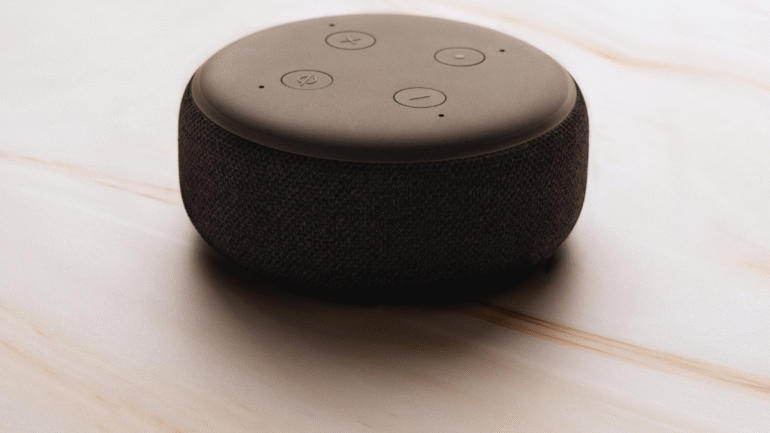
Smart speakers serve as the central hub for voice-controlled automation. Devices like the Amazon Echo and Sonos Era 100 allow users to operate compatible smart home gadgets hands-free.
With Amazon Alexa or Google Assistant, voice commands can control lighting, music, and temperature settings. Users can easily integrate streaming services like Spotify to manage music playback through simple voice commands. This convenience fosters a seamless connected experience within the home.
Smart Displays for Visual Interaction
Smart displays like the Google Nest Hub and Echo Show 8 offer both voice control and visual interaction. These gadgets allow users to view video feeds from security cameras, control smart devices, and access calendars or reminders.
The intuitive touch screens enhance usability, providing visual feedback for commands. For example, users can adjust settings for lights or temperature by dragging sliders on the display. With apps for streaming services, they can also enjoy video content directly on the device, making it a multifunctional tool in a smart home setup.
Smart Plugs for Appliance Management
Smart plugs are essential for managing devices that are not inherently smart. By connecting traditional appliances to smart plugs, users can control them remotely via their smartphones or voice commands.
Devices like the TP-Link Kasa Smart Plug allow scheduling of operation times, enabling energy efficiency. Users can turn off devices when they’re away or set them to operate at specific times. This capability contributes to a more energy-efficient and controllable home environment.
Overall, smart plugs enhance the connectivity of various appliances by integrating them into a smart home ecosystem seamlessly.
Security and Peace of Mind with Smart Devices
Smart devices enhance home security by providing real-time monitoring and communication capabilities. Utilizing the latest technology, these devices aim to create a safe environment and deliver peace of mind.
Home Security Cameras and Monitoring
Home security cameras have become essential in enhancing safety. Devices such as the Blink Outdoor 4 offer features like high-definition video and night vision capability. These cameras allow users to monitor their property from anywhere.
Key features include:
- Motion Detection: Camera systems capture activity and trigger alerts.
- Cloud Storage: Videos are stored securely for easy access.
- Person Detection: Advanced algorithms distinguish between people and pets.
Cameras can be set up indoors and outdoors, providing comprehensive coverage around the home. The integration of smart technology ensures these cameras can connect with other smart devices for coordinated alerts.
Video Doorbells with Advanced Features
Video doorbells, like the Arlo Video Doorbell, serve dual functions as both a doorbell and a security camera. These devices allow homeowners to see who is at their door from their smartphone.
Notable attributes include:
- Two-Way Audio: Users can communicate directly with visitors, enhancing security.
- Person Detection: Alerts differentiate between visitors and package deliveries.
- High-Definition Video: Clear video feeds ensure visibility at all times.
These doorbells often include features such as night vision and motion alerts, providing an extra layer of surveillance. Homeowners can review footage and communicate with visitors, ensuring peace of mind.
Smart Lighting, Climate, and Entertainment Upgrades
Smart lighting, climate control, and entertainment systems are essential for a connected smart home. These upgrades enhance convenience, energy efficiency, and overall user experience through automation and integration.
Smart Light Bulbs and Energy Efficiency
Smart light bulbs, such as Philips Hue, offer customizable lighting options to suit various moods and activities. These bulbs can be controlled via smartphone apps or voice commands, allowing users to change brightness and color remotely.
The energy-saving capabilities of smart bulbs make them attractive. They use LED technology, reducing energy consumption compared to traditional incandescent bulbs. Users can also set schedules or use motion sensors to ensure lights are only on when needed.
Incorporating smart bulbs into a home system allows for seamless transitions between different lighting scenes, enhancing ambiance while optimizing energy costs.
Smart Thermostats for Comfort and Savings
Smart thermostats provide an intelligent approach to managing home climate. They learn user habits and adjust heating and cooling accordingly, maintaining comfort while reducing energy bills.
Popular models, like the Nest Learning Thermostat, offer features such as remote access, energy usage reports, and scheduling. These units can adapt to changes in occupancy, optimizing efficiency.
Installing a smart thermostat can lead to significant savings over time. Users can monitor and control their energy usage, contributing to a greener home.
Smart TVs and Entertainment Integration
Smart TVs are at the center of a connected entertainment system. They provide access to streaming services, social media, and even gaming platforms, all in one device.
These TVs can connect with other smart home devices, allowing users to control lighting or adjust climate settings directly from the screen. Features like voice control enhance usability, making navigation intuitive.
Additionally, smart TVs often support integration with home assistants, enabling users to create a comprehensive entertainment experience that can be controlled hands-free.