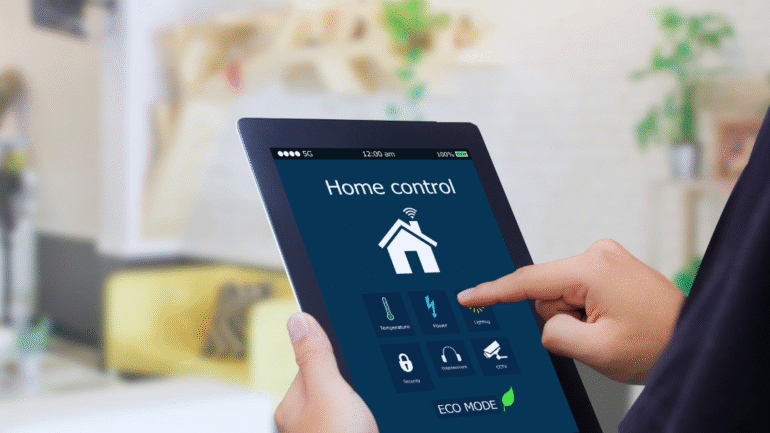
Smart home technology offers convenience and efficiency, but it also presents new vulnerabilities to cyber threats. As devices become more interconnected, they form potential entry points for cybercriminals. To protect a smart home, it is essential to implement strong security measures, such as utilizing robust passwords, regularly updating firmware, and using network segmentation.
In addition, awareness of potential risks is crucial. Many homeowners may overlook simple steps that can significantly enhance their security. By remaining vigilant and informed about the latest threats, they can take proactive steps to safeguard their digital environments.
Moreover, educating oneself on how devices communicate and ensuring that proper security settings are in place can further strengthen defenses. Incorporating security protocols into daily smart home usage not only protects personal information but also preserves the integrity of the smart home experience.
Understanding Cyber Threats to Smart Homes
Smart homes, equipped with Internet of Things (IoT) devices, are increasingly vulnerable to cyber threats. Understanding these risks is essential for anyone looking to secure their smart home environment from cybercriminals who exploit security flaws to steal sensitive information and compromise privacy.
Common Vulnerabilities in Smart Home Devices
Smart home devices often feature weak security protocols. Common vulnerabilities include:
- Default Passwords: Many devices come with preset passwords that users neglect to change.
- Unpatched Firmware: Manufacturers may release updates, but devices frequently remain outdated.
- Insecure Networks: Poorly secured Wi-Fi networks can serve as gateways for attackers.
These factors make it easier for cybercriminals to gain unauthorized access. Research indicates that nearly 70% of smart home devices have at least one significant security flaw, increasing the risk of breaches.
Impact of Cyber Attacks and Identity Theft
The consequences of cyber attacks on smart homes can be severe. A successful breach might lead to identity theft, financial loss, or privacy invasions. Attackers can monitor user behavior or even control smart devices, compromising home safety.
Victims of identity theft may suffer:
- Financial Loss: Unauthorized transactions could occur if personal information is accessed.
- Reputational Damage: A breach can lead to loss of trust or even legal challenges.
- Emotional Stress: The aftermath of a cyber attack can induce considerable anxiety.
Protecting smart home devices is crucial to prevent these detrimental outcomes.
Types of Cyber Threats Facing IoT Systems
Several types of cyber threats specifically target IoT systems:
- Malware Attacks: Customized malware can exploit device vulnerabilities, leading to unauthorized data access.
- DDoS Attacks: Attackers may overwhelm devices or networks to disrupt services, often using compromised IoT devices as bots.
- Phishing Scams: Cybercriminals use deceptive emails or text messages to trick users into providing personal information.
A comprehensive understanding of these threats helps users implement effective security measures, safeguarding their smart homes from potentially devastating impacts.
Securing Smart Devices and Home Network
Securing smart devices and the home network requires proactive measures. Key actions include creating strong passwords, utilizing two-factor authentication, keeping devices updated, and ensuring robust network security.
Setting Up Strong and Unique Passwords
Creating strong and unique passwords is essential for each smart device. Passwords should consist of a mix of uppercase and lowercase letters, numbers, and special characters. A password manager can help generate and store these passwords securely.
For example, a password such as G7z&tQ1q!x$5 is significantly stronger than a simple word or number sequence.
It is vital to avoid using default passwords provided by manufacturers, as they are widely known. Regularly changing passwords adds an additional layer of security.
Importance of Two-Factor Authentication
Two-factor authentication (2FA) adds a vital security layer beyond just a password. With 2FA, users must provide a second piece of information, usually a code sent to a mobile device.
This makes it more difficult for unauthorized users to access accounts. Many smart home devices now support 2FA, making it crucial to enable this feature wherever possible.
For instance, an email or SMS code can provide an extra line of defense against potential breaches. Adopting 2FA significantly reduces the risk of account compromise.
Keeping Device Firmware and Software Updated
Keeping device firmware and software up to date is essential for security. Manufacturers regularly release updates that include security patches to address vulnerabilities.
Smart device owners should turn on automatic updates whenever possible. This ensures they receive the latest security features without manual intervention.
Regularly checking for updates can also be beneficial, especially for devices that do not support automatic updates. Outdated firmware can leave devices open to attacks, making vigilance necessary.
Managing Network Security and Encryption
Network security begins with the router. Securing the Wi-Fi network with WPA3 encryption provides a higher level of protection than older protocols like WEP or WPA2.
Configuring the router settings correctly can minimize risks. Changing the default SSID and password strengthens defenses against unauthorized access.
Implementing a guest network allows visitors to connect without compromising the main network. This separation decreases exposure to sensitive smart home devices.
Regularly checking for router firmware updates also addresses security vulnerabilities effectively. It is prudent to change Wi-Fi passwords periodically to enhance security further.
Best Practices for Enhancing Smart Home Security
Enhancing the security of a smart home requires a multi-faceted approach. Important strategies involve segmenting devices, configuring privacy settings, and employing firewall protections to reduce vulnerability to cyber threats.
Separating Smart Devices on Guest or Isolated Networks
Creating a separate Wi-Fi network for smart devices is crucial. This can significantly mitigate risk by isolating these devices from the primary home network that houses personal computers and sensitive data.
Using a guest network often serves this purpose. By doing so, connected devices like smart lights, thermostats, and cameras operate on a different SSID. This setup limits access and reduces the risk that a compromised smart device can expose personal information.
It is advisable to regularly review and update the guest network password. Ensuring that these devices only connect to this isolated network minimizes potential entry points for cyber attackers.
Configuring Privacy Settings and Disabling Unused Features
Most smart devices come with a range of settings that allow users to adjust privacy and functionality. Users should take the time to carefully configure these privacy settings. Disabling features that are unnecessary can further enhance security.
For instance, remote access features should only be enabled if absolutely needed. If a feature isn’t being used, disabling it reduces the exposure to vulnerabilities. Regularly checking for device firmware updates is also essential, as these updates often include security patches.
To ensure a high level of privacy, it is recommended to review the terms of service and privacy policies of the smart device manufacturers. Understanding the data collected, how it’s used, and whether it’s shared is integral to maintaining privacy.
Enabling Firewalls and Monitoring Connected Devices
Install and enable a firewall to act as a buffer against potential cyber threats. Many routers come equipped with built-in firewall protection, which can be configured for enhanced security.
Another important practice is to actively monitor connected devices. Occasionally, checking the list of devices connected to the home network can help identify any unauthorized access. If a device appears unknown, it is essential to take immediate action.
Using network monitoring tools can facilitate this process. These tools provide alerts for unusual activity, which can indicate a potential security breach. Regular monitoring ensures a proactive approach to maintaining smart home security.
Maintaining Ongoing Security and Responding to Risks
Continuous vigilance is crucial for maintaining smart home security. Regular monitoring and timely updates respond to evolving threats and reinforce the home’s defenses against cyber attacks.
Monitoring Security and Detecting Suspicious Activity
Utilizing monitoring tools is essential for detecting unusual activity within a smart home network. Smart security cameras and sensors can provide real-time alerts, helping identify potential breaches as they occur.
Employing network monitoring software aids in logging traffic patterns. Unrecognized devices accessing the network may indicate a security compromise. Setting up alerts for unexpected logins or data transfers can help in addressing vulnerabilities promptly.
Regular audits of connected devices also enhance security. This involves checking for any unauthorized items on the network and verifying each device’s functionality and security settings. Addressing anomalies swiftly can thwart potential threats before they escalate.
Reviewing and Updating Security Practices Regularly
Regularly reviewing security practices ensures homes stay protected against new threats. Installing the latest security patches and firmware updates is vital. Automatic updates can help streamline this process, ensuring devices maintain optimal protection without requiring manual checks.
Homeowners should also evaluate passwords for all devices periodically. Strong, unique passwords should replace weak or default options. Utilizing password managers can help maintain complex passwords across various devices.
Conducting frequent security assessments can identify exposure points needing attention. This includes examining the effectiveness of installed security measures and strategies, allowing for necessary adjustments. Keeping a proactive stance reinforces the smart home’s resilience against cyber threats.