Augmented reality (AR) is transforming the landscape of home design by allowing homeowners and designers to visualize spaces in entirely new ways. These technologies enable users to superimpose digital elements onto their physical environments, facilitating informed decisions about aesthetics and functionality. This innovative approach not only enhances creativity but also streamlines the design process, making it more efficient and cost-effective.
As AR tools become more accessible, they empower individuals to experiment with colors, layouts, and furnishings without the need for physical samples. Homeowners can engage with their spaces more interactively, leading to a deeper understanding of their design preferences. This shift in perspective can ultimately result in more personalized and satisfying living environments.
The integration of augmented reality into home design tech is a game-changer for both consumers and professionals. By bridging the gap between imagination and reality, AR fosters collaboration and communication throughout the design process. This technology is paving the way for a new era in which the possibilities for home design are virtually limitless.
Core Impacts of Augmented Reality in Home Design
Augmented reality (AR) technology significantly transforms home design. Its ability to enhance visualization, allow real-time customization, and foster collaboration between designers and clients makes it a valuable tool in the industry.
Enhanced Visualization of Home Spaces
AR provides an immersive experience by overlaying digital elements onto the real world. Users can visualize various design options in their actual spaces, which aids decision-making.
They can see how different colors, furniture, or decor pieces would look in their home before making purchases. This capability helps to reduce uncertainty and makes the process more engaging.
For instance, homeowners can use AR apps to replace wall colors or rearrange furniture, offering a clearer picture of potential changes. This immediate feedback helps individuals feel confident in their choices.
Real-Time Customization for Interiors
With AR, customization occurs instantly, allowing users to tweak designs on the fly. This feature is essential for creating personalized interior spaces that reflect individual tastes.
Designers can present multiple options quickly, showcasing different styles, materials, and layouts in real time. Clients can see changes as they are made, making the design process more interactive.
Additionally, AR technology can recommend complementary items based on the chosen design elements. This streamlines the selection process and ensures cohesive aesthetic choices.
Improved Collaboration Between Designers and Clients
AR enhances collaboration by bridging the gap between designers and clients. Clear visualizations foster more productive discussions, ensuring that ideas align before implementation.
Clients can share their feedback immediately, and designers can make adjustments quickly. This iterative process minimizes misunderstandings and streamlines project timelines.
Using AR in presentations allows both parties to explore options without physical samples. It strengthens mutual understanding, leading to a more satisfying outcome for all involved.
Key Applications and Technologies
Augmented reality (AR) offers transformative capabilities in home design. Key applications include dedicated design apps, integration with smart devices, and virtual furniture placement techniques. Each of these technologies plays a significant role in enhancing the design experience.
AR-Powered Home Design Apps
AR-powered home design apps have revolutionized how individuals visualize their spaces. These applications allow users to overlay virtual furniture and decor onto real environments using their smartphones or tablets. Popular examples include Houzz and IKEA Place.
These apps utilize computer vision to scan the room, providing accurate dimensions for placement. Users can easily modify colors, textures, and layouts, facilitating informed design choices. Their interactive nature engages users, making the design process more enjoyable and less intimidating.
Integration With Smart Home Devices
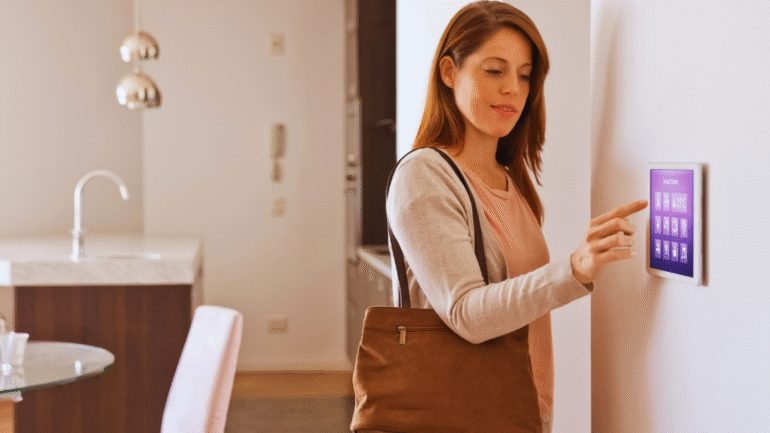
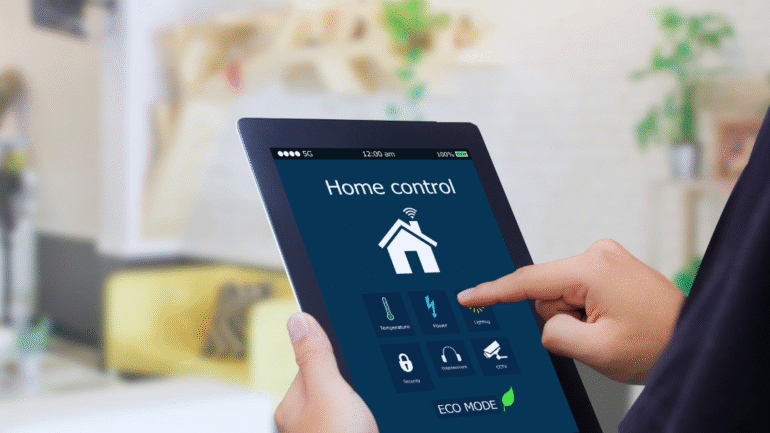
The integration of AR with smart home devices enhances functionality and convenience. Smart thermostats, lighting systems, and security devices can be controlled through AR interfaces. This allows users to visualize and adjust their environments in real time.
For instance, users can project digital controls onto their walls to manage lighting and temperature. Such integration ensures that users can see how different settings may affect their space before committing to changes. A unified AR experience leads to more cohesive home automation.
Seamless Virtual Furniture Placement
Seamless virtual furniture placement allows for an efficient way to arrange and design spaces. This technology offers a straightforward way to see how furniture and decor will look in the existing layout. It alleviates the stress associated with physical shopping and heavy lifting.
Users can rotate, scale, and move virtual items with ease. This functionality ensures a practical approach to design, enabling them to explore various arrangements without physical constraints. By visualizing changes, homeowners gain confidence in their design decisions.
Benefits and Transformations for Homeowners
Augmented reality (AR) technology has introduced significant benefits for homeowners in the realm of design. Personalization, efficiency, and accuracy have improved dramatically, enabling better decision-making throughout the design process.
Personalized Design Experiences
AR allows homeowners to visualize their design choices in real-time. They can test various layouts, colors, and materials before committing.
For instance, using an AR app, a homeowner can see how a specific paint color looks on their actual walls. This capability fosters creativity and assurance, ensuring that their vision is accurately represented.
Homeowners can also customize virtual furniture and decor placements, resulting in unique design solutions tailored to their preferences. This level of interactivity enhances satisfaction and engagement in the home design process.
Cost and Time Efficiency in Planning
Implementing AR in home design can lead to substantial cost and time savings. Homeowners can experiment with arrangements without the need for physical materials or labor.
By visualizing spaces and making informed choices upfront, they reduce the likelihood of costly renovations later. For example, assessing space with AR can help in selecting appropriately sized furniture, avoiding post-purchase issues.
This efficiency streamlines the decision-making process. Homeowners can expedite timelines, minimizing the months spent on traditional design consultations and site visits.
Reduced Risk of Design Mistakes
AR significantly lowers the chances of design errors. Homeowners can evaluate their choices for aspects like scale, proportion, and layout before execution.
Real-time feedback enables adjustments that may not be visible in two-dimensional plans. This capability helps to identify potential issues, such as furniture fitting or color clashes.
The reduction in design mistakes ultimately leads to cost savings and higher levels of homeowner satisfaction. With AR, they can achieve a harmonious balance between aesthetics and functionality in their homes.
Future Developments and Industry Outlook
The role of augmented reality in home design is rapidly evolving. Key areas of focus include emerging trends that enhance user experience, challenges that hinder adoption, and projections for growth within the market.
Emerging AR Trends in Home Design
Augmented reality is poised to redefine home design practices. One key trend involves the integration of AR with machine learning, allowing for more personalized design recommendations based on user preferences.
Users can visualize changes in real-time, leading to more informed decisions. Smart glasses and mobile applications are becoming accessible, making AR tools easier to use.
Additionally, new collaboration features support remote design consultations. This capability enhances flexibility in project management, allowing designers and clients to interact seamlessly, regardless of location.
Challenges and Limitations of AR Adoption
Despite its potential, several challenges impede the widespread adoption of AR in home design. High development costs are a significant barrier, limiting access for smaller firms. Technology integration with existing software can also be complex and time-consuming.
User education remains a hurdle, as many potential users may lack familiarity with AR tools. This knowledge gap can diminish the effectiveness of AR experiences.
Data privacy concerns are also present. As AR applications often collect user information, addressing security issues will be crucial for building trust among users.
Projected Growth and Market Impact
The augmented reality market in home design shows promising growth potential. Analysts project a compound annual growth rate (CAGR) of over 30% in the coming years. This growth is driven by increased consumer interest and advancements in AR technology.
Key players in the industry are expanding their offerings, resulting in a more competitive landscape. As AR tools become standard in home design, they will likely influence architecture, interior design, and real estate practices.
The integration of AR will facilitate more sustainable design choices. It enables users to visualize energy-efficient materials and layouts, thus promoting environmentally conscious decisions in future projects.