The landscape of home technology is evolving rapidly, and wireless charging is at the forefront of this transformation. Consumers are increasingly seeking convenience, and the future of wireless charging in home tech promises to offer seamless power solutions that eliminate the clutter of cables and adapters. By integrating wireless charging into everyday objects and furniture, technology aims to enhance the user experience in ways previously thought unattainable.
As smart homes become more prevalent, the integration of wireless charging solutions offers significant potential. Consumers can expect to find charging pads embedded in tables, lamps, and other furniture, facilitating effortless device charging without any additional effort. This advancement not only simplifies the charging process but also aligns with aesthetic preferences in modern home design.
Research and advancements in technology indicate a move toward universal wireless charging standards, promoting compatibility across multiple devices. This shift is likely to reduce consumer frustration with varying charging protocols and improve the overall efficiency of home energy usage. As innovation continues to unfold, the future of wireless charging holds exciting possibilities for enhancing daily life.
Wireless Charging Technology: Foundations and Standards
Wireless charging technology primarily relies on electromagnetic fields to transfer energy between a charger and a device. This process simplifies how devices are powered, creating a more convenient user experience. Key concepts include inductive charging, resonant inductive coupling, and established industry standards like Qi.
How Wireless Charging Works
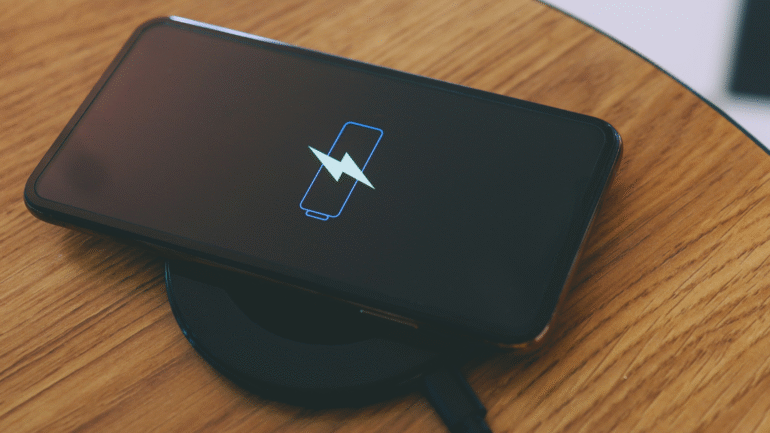
Wireless charging operates primarily through inductive charging, utilizing electromagnetic fields. A charging pad creates an alternating electromagnetic field, which interacts with a coil in the device. The device’s coil converts this energy back into electrical power, charging the battery.
This method allows for a seamless connection between devices and charging stations without physical cables. Although the efficiency of wireless charging can vary, technologies like resonant inductive coupling enhance energy transfer over greater distances. This development could play a vital role in the future of home technology.
Qi and Industry Standards
Qi is the leading wireless charging standard, developed by the Wireless Power Consortium. This standard ensures compatibility across various devices and manufacturers. Qi chargers can typically deliver different power levels, from 5W for smartphones to 15W or more for tablets and other higher-demand electronics.
Adhering to Qi standards allows manufacturers to create diverse consumer electronics that are interoperable. The adoption of these standards enables innovation while ensuring a consistent user experience. As more devices become Qi-certified, the reliability and convenience of wireless charging continue to improve.
Wireless Charging Pads and Devices
Charging pads come in various designs, catering to different needs and aesthetics. Some pads are compact and portable, while others may be larger to hold multiple devices simultaneously. Many modern pads are equipped with features like safety measures to prevent overheating and automatic device recognition.
Devices such as smartphones, smartwatches, and earbuds are increasingly adopting wireless charging capabilities. As the trend grows, consumers can expect more integrated solutions, including furniture with built-in charging stations. This advancement indicates a future where wireless charging becomes an everyday standard in home tech.
Current Applications and Expanding Home Tech Integration
Wireless charging technology is increasingly integrated into various devices within homes. This section examines current applications in smartphones, wearables, laptops, and home appliances, highlighting the growing convenience and efficiency this technology offers.
Smartphones, Wearables, and Smart Home Devices
Smartphones have quickly adopted wireless charging, with most modern models supporting this feature. For instance, brands like Apple and Samsung utilize standards such as Qi and MagSafe to enhance user experience.
Wearables like smartwatches also benefit from wireless charging, making it easier to maintain battery life without plugging in cables. Smart home devices, including smart speakers and security cameras, are now integrating wireless charging pads, eliminating the hassle of frequent battery replacements.
Laptops and Multi-Device Charging Solutions
Laptops are beginning to embrace wireless charging technology, albeit at a slower pace. Some new models feature wireless charging capabilities, allowing users to power up their devices without cords.
Multi-device charging stations further the convenience of wireless charging. These solutions can charge smartphones, wearables, and laptops simultaneously. They often incorporate smart charging technology that adjusts power distribution, ensuring efficient energy use and maximized charging speeds.
Wireless Charging for Home Appliances
Home appliances are experiencing a transformation with the introduction of wireless charging capabilities. For example, kitchen gadgets, like electric kettles and coffee makers, are starting to feature wireless charging bases.
This integration reduces cord clutter and enhances aesthetic appeal in design. Appliances equipped with wireless charging technology are often designed for efficiency, contributing to energy savings as they minimize energy leakage in standby modes. As technology evolves, it is clear that wireless charging will play a crucial role in the future of home tech.
Key Trends and Innovations Shaping the Future
The evolution of wireless charging is characterized by significant advancements that enhance charging speed, range, and integration into everyday life. Emerging technologies promise a more efficient and user-friendly charging experience, particularly in home environments.
Charging Speed and Efficiency Improvements
Advancements in charging technology aim to increase charging speeds while maintaining safety and efficiency. Recent innovations leverage resonance technology, allowing for faster energy transfer with minimal heat generation.
Improvements in heat management are critical, as excessive heat can reduce charging efficiency. New materials and designs are being used to optimize energy transfer and cooling, ensuring devices receive power quickly without overheating.
Flash charging solutions are being developed, potentially offering speeds exceeding traditional wired connections. As these technologies mature, consumers can expect progressively faster wireless charging options in everyday devices.
Long-Range Wireless Charging
Long-range wireless charging represents a transformative shift in how devices are powered. Current systems often require close proximity between the charger and the device, which limits usability.
Emerging technologies aim to extend this range, allowing devices to be charged from several feet away. This is achieved through advanced resonance techniques that facilitate energy transfer over longer distances.
Applications include homes and public spaces, where users can charge their gadgets effortlessly. As systems become more reliable, the convenience of wireless charging will become a standard expectation in smart home technology.
Integration with Electric Vehicles
Wireless charging is gaining traction in the electric vehicle (EV) sector, offering an efficient solution for powering these cars. Companies are exploring inductive charging stations that enable EVs to charge while parked, eliminating the need for physical connections.
This seamless integration simplifies the charging process for users and paves the way for smart city initiatives. Infrastructure development will be crucial in determining the pace of adoption for wireless EV charging solutions.
Furthermore, the synergy between home tech and electric vehicles holds significant potential. EV owners might charge their vehicles at home wirelessly while operating smart home devices without the hassle of managing multiple cords.
Market Growth and Technological Opportunities
The wireless charging market is projected to see substantial growth in the coming years. Factors driving this include increased consumer demand for convenience and rapidly evolving technology landscapes.
New startups and established companies are investing heavily in the research and development of wireless charging platforms. Innovations in residential and commercial applications present opportunities for diverse market segments.
Furthermore, as smart homes evolve, integrations that combine appliances and devices with wireless charging capabilities will enhance user experiences. This could lead to large-scale shifts in purchasing habits and functionalities that consumers expect from home technology.
Challenges and Considerations for Mainstream Adoption
The integration of wireless charging into home technology faces several obstacles that require attention. Key aspects include the need for standardization, limitations related to charging distances, and safety concerns regarding heat management.
Standardization and Compatibility
Standardization is crucial for the widespread adoption of wireless charging technology. Currently, different protocols like Qi and Ki create fragmentation, making it challenging for consumers to find compatible devices and chargers.
With multiple manufacturers adopting varied specifications, users might hesitate to invest in wireless charging solutions due to compatibility concerns. Continuous developments within industry standards are needed to ensure seamless interaction among devices.
Efforts toward a unified standard can simplify consumer choices and promote broader acceptance of wireless charging technology across different product categories. Establishing compatibility could significantly enhance user experience and reduce market confusion.
Distance Limitations and Alignment
Distance limitations present another challenge affecting wireless charging efficiency. Most current systems require close proximity between the device and the charging pad, often within a few millimeters.
This limitation necessitates precise alignment, which can be inconvenient in everyday use. If the device shifts even slightly, charging may stop or become inefficient.
Innovative solutions are necessary to expand charging distance without compromising efficiency. Some emerging technologies aim to allow charging at greater distances, but these often face regulatory scrutiny due to safety concerns related to electromagnetic fields.
Safety and Heat Management
Safety and heat management are paramount concerns in wireless charging systems. High-frequency electromagnetic fields generated during charging can produce heat, impacting device performance and user comfort.
Efficient heat dissipation mechanisms are essential to prevent overheating, which may lead to reduced battery lifespan or device damage. Manufacturers must prioritize designs that minimize heat generation while maintaining charging efficacy.
Incorporating smart technology can help monitor and manage heat levels during charging. This ensures that devices remain within safe operating temperatures and minimizes potential hazards for users while using wireless charging at home.